
Healing Trauma: Rewrite Your Story
From shame and self-judgment to acceptance and resilience.
In-person therapy in Reno and telehealth throughout California & Nevada
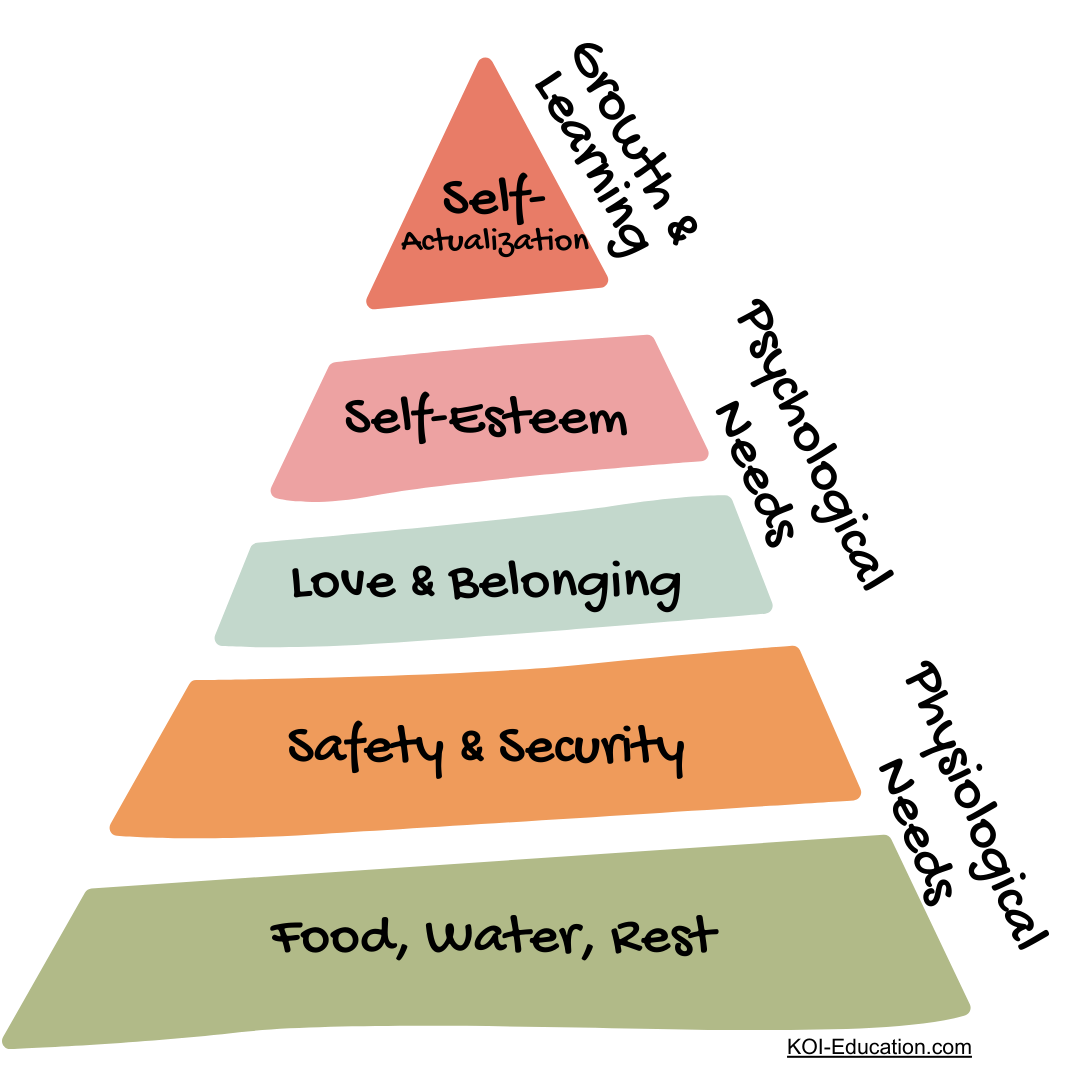
Trauma isn’t just big things: abuse, accidents, or loss. It’s anything that’s too much, too soon, or for too long.
Trauma can also look like:
A parent who expected constant perfection.
A parent who couldn’t see, hear, or validate you.
Being blamed for things beyond your control.
Growing up around anger, criticism, or rejection.
Having your needs & dreams ignored.
Being told not to feel, or that you feel too much.
Gender or sexuality shame.
Shame around your worth and values.

“It’s a joy to be hidden, and a disaster not to be found.”
— D.W. WinnicottYou don’t love wrong - you learned survival
-
+ You keep ending up in familiar relationships, or acting reactively, unwillingly repeating patterns you want to outgrow.
+ You carry a quiet shame that convinces you are somehow unworthy of love or belonging.
+ You struggle to trust yourself, or to feel safe trusting others.
+ You long for closeness but get scared or pull away when it arrives.
+ Other therapies don’t address the depth and complexity of your story.
-
+ Family-of-origin influences
+ Early trauma (including complex trauma)
+ Attachment styles
+ Intergenerational patterns
+ Collective & ancestral trauma
+ Patterns of reactivity, panic, and withdrawal in relationships
-
+ Listening deeply to your story with empathy, without rushing or judgment.
+ Exploring how trauma shapes your relationships and learning ways to build new, supportive patterns.
+ Integrating body awareness and internal exploration to help you regulate emotions and feel grounded.
+ Supporting your nervous system and creating felt safety inside your body.
+ Cultivating self-compassion, trust, and a sense of authentic belonging.
+ Learning skills to manage triggers, set boundaries, and navigate relationships safely.
+ Understanding how trauma has shaped your patterns, reactions, and sense of self.